Skylights Versus Traditional Windows: Which Is the Right Choice for You?
When homeowners consider enhancing natural light in their spaces, the comparison between skylights and standard windows tends to emerge. Each option presents unique benefits and challenges. Skylights can flood a room with light from above, whereas conventional windows provide scenic views and structural variety. Recognizing the consequences of each selection is vital for reaching a knowledgeable determination. What considerations should be placed first in this assessment, and in what ways do they influence lasting contentment?
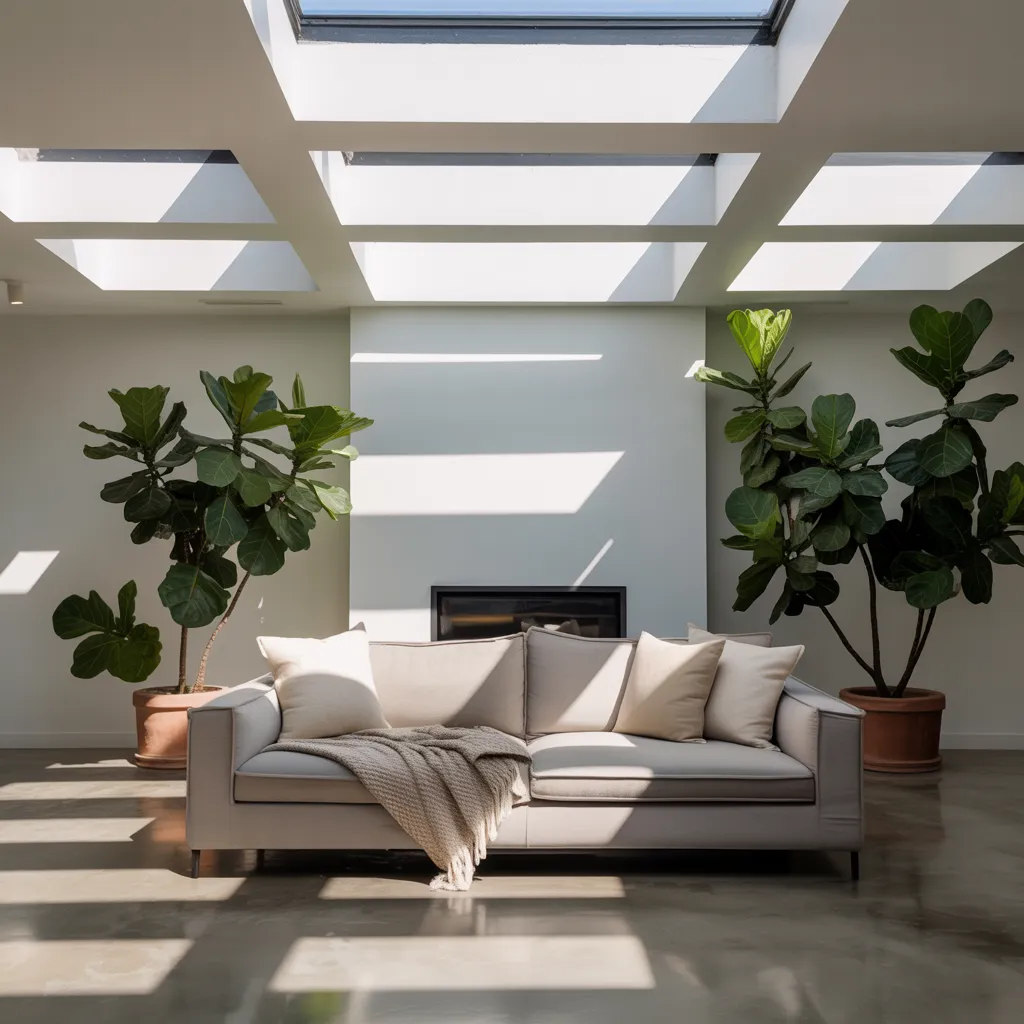
Skylights vs. Traditional Windows: A Natural Light Comparison
When thinking about ways to improve natural lighting in a room, skylights and traditional windows offer distinct advantages. Skylights, positioned on the roof, provide an unobstructed source of light, flooding rooms with sunlight from above. This downward flow of light can generate a luminous and airy environment, helping areas appear bigger and more appealing. Moreover, skylights can minimize the dependence on electric lighting during daylight hours.
On the other hand, standard windows enable natural light to enter from the sides, providing views of the outside surroundings. They can be strategically placed to enhance sun exposure throughout the day, according to the orientation of the room. Additionally, traditional windows can be crafted in a variety of styles to suit architectural preferences, boosting both brightness and aesthetic appeal. Ultimately, the decision between skylights and conventional windows copyrights on individual preferences, the layout of the room, and the desired ambiance within the space.
Energy Savings: Skylights or Standard Windows?
When assessing energy use, both skylights and traditional windows present unique advantages. Skylights are capable of boosting natural light, potentially reducing reliance on artificial lighting, whereas conventional windows might provide superior heat retention. A review of energy expenses highlights meaningful distinctions that can shape homeowners' decisions.
Benefits of Natural Light
Natural light serves a critical function in enhancing energy efficiency, and the choice between skylights and traditional windows greatly impacts this benefit. Skylights allow for ample daylight to penetrate deeper into interior spaces, reducing reliance on artificial lighting during the day. This can translate into lower energy bills and a diminished carbon footprint. On the other hand, standard windows largely light up spaces adjacent to the exterior walls, which can restrict the spread of natural light. Furthermore, the orientation and placement of skylights can harness more sunlight across the day, particularly in spaces with high ceilings. Ultimately, incorporating natural light through either option can boost energy efficiency, but skylights often provide a more significant advantage in maximizing daylight exposure across a home or building.
Heat Retention Comparison
What are the differences between skylights and traditional windows when it comes to heat retention? Each option possesses distinct qualities that affect their energy performance. Traditional windows typically offer better insulation, especially if double or triple-glazed, which minimizes heat loss during colder months. While skylights enable natural light penetration, they can at times contribute to higher heat transfer because of their broad surface area and tendency for heat gain during warmer months. Nevertheless, innovations in skylight design, including low-emissivity (low-E) coatings, have significantly enhanced their thermal efficiency. In the end, how well each option retains heat is determined by elements such as installation quality, the type of glazing used, and the prevailing climate. Residents should thoughtfully weigh these considerations to establish which solution is best suited to their specific heat retention demands.
Energy Cost Assessment
An energy cost analysis highlights significant differences between the efficiency of skylights and conventional windows. Skylights typically allow for greater natural light, helping to decrease dependence on artificial lighting and reduce electricity costs. That said, the energy efficiency of skylights is primarily determined by the caliber of glazing and installation methods. Top-quality skylights with low-E coatings effectively limit heat transfer, resulting in greater overall energy conservation.
In contrast, traditional windows may also prove to be highly efficient in terms of energy, especially when incorporating double or triple glazing. While they offer reasonable insulating properties, they may not provide the same daylight benefits as skylights. In the end, the choice between the two should consider factors such as climate, geographic location, and targeted energy efficiency objectives to establish the most cost-effective solution.
What You Need to Know About Skylights
What is it that makes skylights a popular choice among homeowners? Skylights offer a creative solution for bringing more natural light into living areas, creating a bright and airy atmosphere. Offered in a wide range of styles and dimensions, they can be seamlessly integrated into different architectural designs. Many homeowners value the energy-saving benefits; thoughtfully installed skylights can decrease dependence on electric lighting during daylight hours.
Furthermore, skylights can boost ventilation when designed with operable components, allowing warm air to dissipate and encouraging airflow. They also offer unique aesthetic characteristics, serving as focal elements that can elevate interior design. However, it is critical for homeowners to take into account factors such as installation expenses, potential moisture issues, and the need for regular maintenance. Recognizing the specific considerations and impacts of skylights can enable homeowners reach informed decisions aligned with their living settings.
Primary Benefits and Drawbacks of Traditional Windows
Traditional windows have long been a cornerstone of home design, providing clear benefits while also presenting certain limitations. One key advantage is their ability to supply natural lighting and fresh air circulation, enhancing indoor air quality and reducing reliance on artificial lighting. They are furthermore offered in a wide range of styles and materials, enabling homeowners to tailor their look to summary match individual tastes.
Nevertheless, standard windows are not without their downsides. Thermal efficiency can become problematic, especially with older models that may allow drafts and heat loss. Additionally, maintenance requirements can be more burdensome, as the frames and seals may need routine care to prevent wear and tear. Conventional windows may also fall short in controlling solar heat gain when measured against modern options, leading to increased cooling costs during warmer months. Ultimately, choosing conventional windows comes down to measuring these strengths against their weaknesses based on one's own needs and circumstances.
Aesthetic Appeal: Skylights vs. Windows
The aesthetic quality of skylights and traditional windows significantly impacts interior decorating choices. Skylights help maximize natural light and generate an open and airy atmosphere, while conventional windows provide flexible design possibilities that suit a wide range of architectural styles. Recognizing these distinctions allows homeowners to make educated choices guided by their individual design preferences.
Natural Lighting Impact
Natural light is a key factor in enhancing the aesthetic appeal of living spaces, where skylights and traditional windows present different advantages. Skylights, positioned on the ceiling, let sunlight stream in from above, generating a feeling of spaciousness and warmth. This upward light can highlight architectural features and cause rooms to appear more expansive and welcoming. In contrast, traditional windows offer outdoor views, connecting interior spaces with the landscape. They are able to frame beautiful vistas and produce a vibrant play of light across the day. Whereas skylights are effective at lighting dim spaces, standard windows can improve exterior aesthetics and architectural distinction. In the end, the decision between skylights and traditional windows shapes the general atmosphere and vitality of a home.
Options for Design Versatility
Design flexibility is an important consideration in the comparison between skylights and standard windows, as each option offers distinct contributions to a home's visual character. Skylights offer a modern touch, blending naturally into ceilings to establish a bright, spacious environment. Their positioning can accentuate structural elements and improve the overall design harmony. On the other hand, conventional windows offer a timeless appeal, offered in a wide range of styles and materials to suit any architectural style. They are adaptable in both size and form, giving homeowners the ability to copyright timeless aesthetics while enhancing natural illumination. Ultimately, the choice between skylights and windows depends on individual preferences, desired ambiance, and the specific architectural context of the home, as both present their own notable strengths in overall design adaptability.
Budgeting for Skylights and Traditional Windows
How does one effectively budget for skylights versus traditional windows? In terms of installation costs, skylights typically fall between $1,000 and $3,000, based on size and features. Extra costs can involve structural adjustments and possible roofing repairs. In contrast, traditional windows typically cost between $300 and $1,500 each, influenced by materials and energy efficiency ratings.
Homeowners must also account for installation fees, which can vary considerably based on local labor rates. Skylights may require specialized installation, driving up overall expenses. In addition, long-term energy savings should be factored into the budget; skylights can maximize natural light, potentially reducing electricity bills, while high-efficiency windows deliver insulation benefits.
In the end, making the right decision requires examining both the initial costs and the expected returns. Weighing visual appeal against functional requirements helps guide a smarter financial conclusion regarding skylights or traditional windows.

Common Questions and Answers
How Do Skylights Affect Indoor Temperature During Summer?
Skylights can significantly raise indoor temperatures during summer by allowing direct sunlight to enter, often leading to heat buildup. Proper installation and shading options are essential to minimize excessive warmth and maintain comfortable indoor conditions.
Is It Possible to Install Traditional Windows in Unconventional Shapes?
Standard windows can absolutely be fitted in unconventional shapes, offering unique aesthetic options. Custom designs allow homeowners to enhance architectural features, offering both utility and aesthetic beauty while maintaining professional installation standards and energy-saving benefits.
What Are the Maintenance Requirements for Skylights Versus Windows?
Skylights tend to need more care and attention than standard windows, as they are vulnerable to leaking and the collection of debris. Consistent cleaning and thorough inspection are important, while windows generally need less attention, focusing primarily on cleaning and occasional sealing.
Are Skylights Prone to Leaks or Water Damage?
Skylights are susceptible to leaks and water damage, especially if improperly installed or maintained. Consistent inspections and thorough sealing are necessary to mitigate risks, guaranteeing they stay effective and clear of moisture-related concerns.
How Do Local Building Codes Affect Skylight Installation?
Local building codes heavily affect skylight installation by establishing construction requirements, energy conservation requirements, and safety regulations. Adhering to these codes ensures proper installation, lowering the chances of leaks and boosting the long-term durability and performance of the skylights.